

Nutrition, Thyroid Health, and the Growing Conversation Around Care in the UK
- May 25
- 3 min read
Thyroid Health Awareness Week 2026
A.R.Arthur
Every year, Thyroid Awareness Week encourages greater public understanding of conditions that affect millions of people across the United Kingdom and beyond. In the UK alone, thyroid disorders are among the most common endocrine conditions, with women disproportionately affected. Conditions such as Hypothyroidism, Hyperthyroidism, Hashimoto's thyroiditis, and Graves' disease can shape daily life in ways that are often misunderstood. Fatigue, brain fog, anxiety, weight fluctuation, hair loss, depression, and hormonal disruption can all emerge from a gland no larger than a butterfly in the neck.
For Thyroid Awareness Week 2026, nutrition has become an increasingly important focus within the UK conversation surrounding thyroid care. While medication and clinical treatment remain essential for many patients, healthcare professionals and researchers are paying closer attention to the role nutrition may play in supporting long-term wellbeing and symptom management.
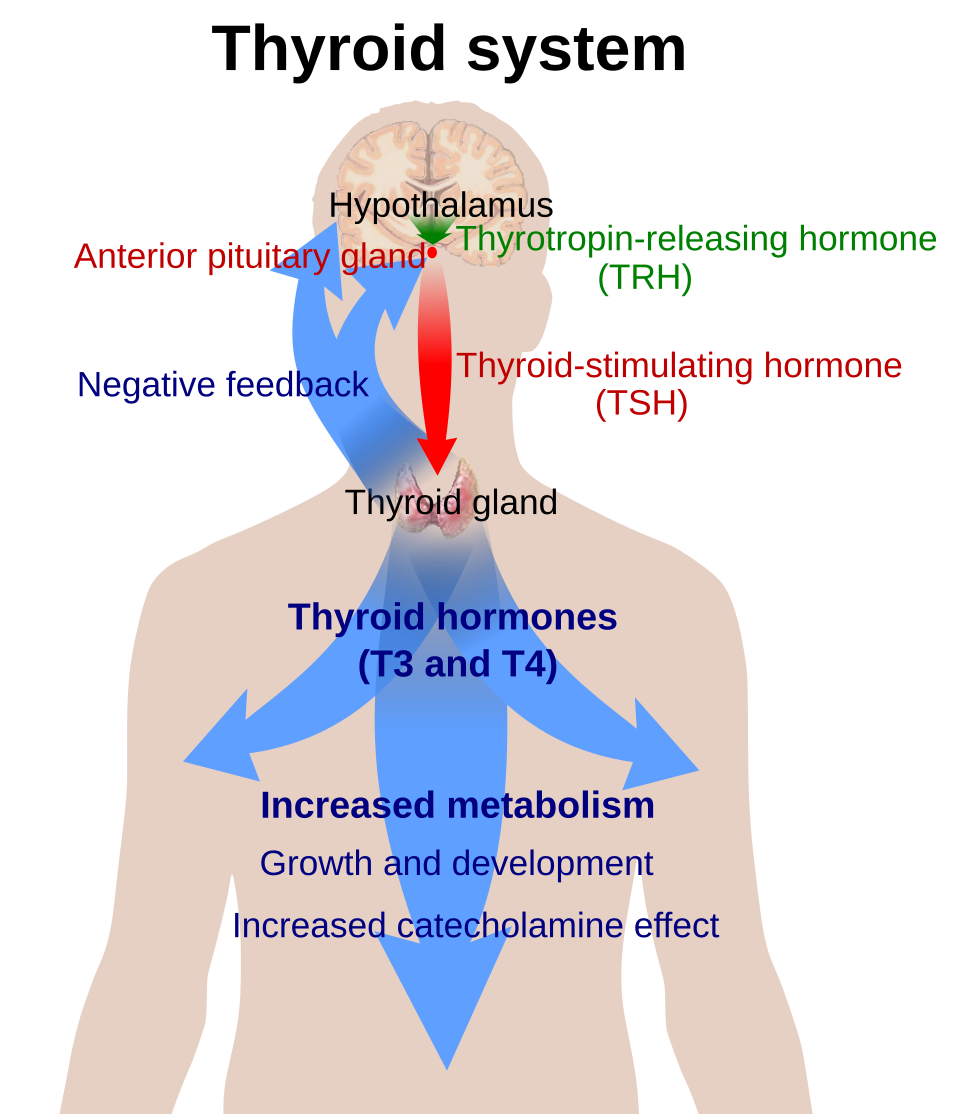
Thyroid System | Image source : wikipedia
The thyroid relies on several key nutrients to function properly. Iodine is perhaps the most widely discussed, as it is necessary for the production of thyroid hormones. Unlike some countries that have mandatory salt iodisation programmes, the UK has historically relied more heavily on dairy products and seafood as natural iodine sources. This has led to growing concern among nutrition researchers about mild iodine deficiency, particularly among younger women and those following restrictive diets.
Selenium is another nutrient closely linked to thyroid health. It helps protect the thyroid gland from oxidative stress and supports hormone conversion within the body. Foods such as eggs, fish, sunflower seeds, and Brazil nuts naturally contain selenium, though experts continue to stress moderation rather than excessive supplementation. Deficiencies in iron, zinc, vitamin D, and B vitamins may also affect energy levels and thyroid function, especially for individuals already managing chronic fatigue or autoimmune conditions.
Within the UK, nutrition conversations around thyroid disease have also become entangled with wellness culture and social media trends. Many patients searching for relief encounter bold claims online promising to “heal” thyroid conditions through detoxes, restrictive diets, or expensive supplements. These narratives can be particularly appealing to people who feel unheard within overstretched healthcare systems or frustrated by long waits for specialist referrals.
Yet thyroid specialists and dietitians repeatedly warn that there is no universal thyroid diet. Autoimmune thyroid diseases such as Hashimoto’s are medically complex and vary significantly between individuals. While some patients report symptom improvements when reducing highly processed foods or addressing potential sensitivities under professional supervision, there is little evidence supporting extreme elimination diets as a cure. In some cases, highly restrictive eating patterns may worsen nutritional deficiencies or negatively affect mental health.
This is especially important in the UK context, where conversations about public health increasingly overlap with economic pressures and food insecurity. Rising food prices have made balanced nutrition harder to access for many households, particularly those already managing chronic illness. For thyroid patients, maintaining consistent meals rich in protein, fibre, and essential nutrients may be more realistic and beneficial than pursuing expensive wellness regimens promoted online.
Thyroid Awareness Week 2026 also arrives during a broader cultural shift in how chronic illness is discussed in Britain. There is growing recognition that symptoms like exhaustion, poor concentration, or unexplained weight changes are not simply matters of laziness or lack of discipline. Many thyroid patients spend years seeking a diagnosis while navigating dismissive attitudes or incomplete testing. Nutrition support, therefore, cannot be separated from wider conversations about healthcare access, patient advocacy, and compassionate treatment.
At the same time, the UK conversation reflects a wider global issue. Across Europe, North America, the Middle East, and parts of Asia, thyroid disorders are becoming more visible within public health discussions. Changing diets, environmental factors, autoimmune disease research, and digital health culture have all contributed to increased awareness. Yet misinformation spreads globally just as quickly as legitimate medical guidance.
Ultimately, the nutrition theme of Thyroid Awareness Week 2026 is not about miracle cures or perfection. It is about recognising that food can play a supportive role within a much larger framework of evidence-based care, medical treatment, and long-term wellbeing. Whether in the UK or elsewhere, the most meaningful progress often comes not from extreme promises, but from accessible healthcare, balanced nutrition, informed support, and greater public understanding of what it truly means to live with thyroid disease.
General reluctance to engage with patient-led organisations directly, and textbook political responses have rendered the topic touchy and blocked, as a plethora of issues continue to arise with the treatment, management, and diagnosis of patients with all manner of thyroid illnesses. Change must come, no matter the government!
Resources:
Comments